

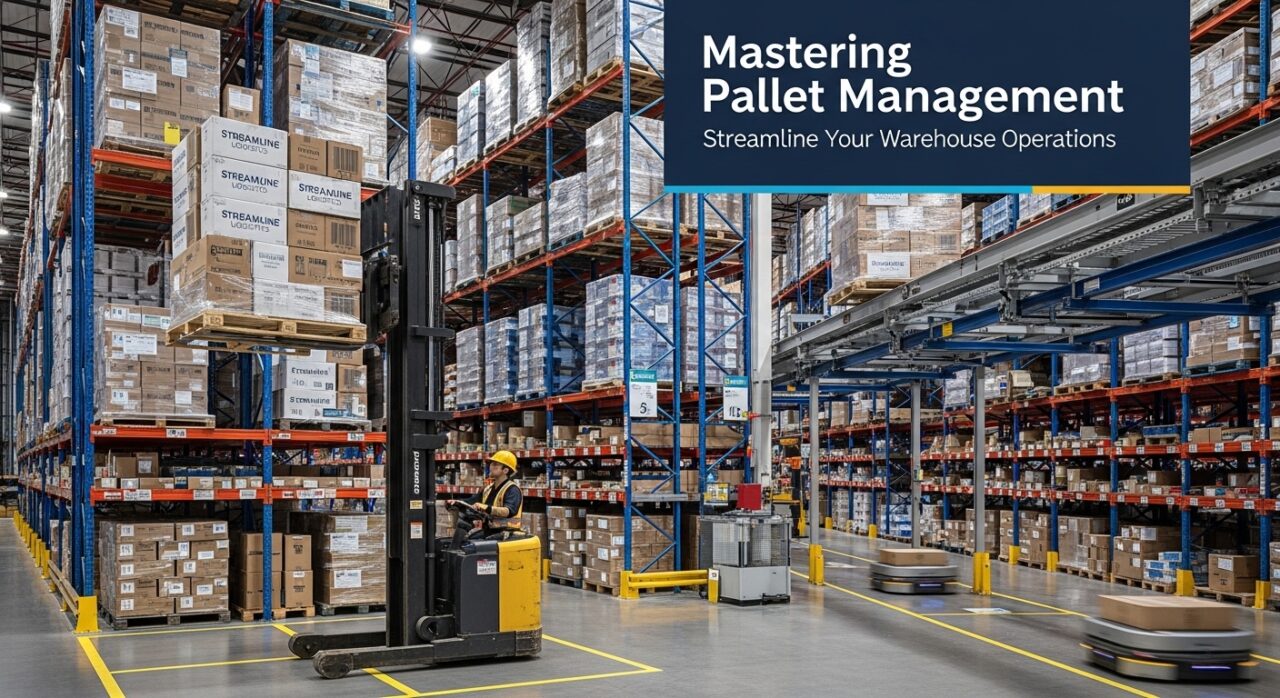
Efficient pallet management is the backbone of a well-organized warehouse. Whether you run a small distribution center or a large-scale logistics operation, the way pallets are handled can directly impact your inventory accuracy, order fulfillment speed, and overall operational costs. Streamlining your warehouse operations starts with mastering the basics of pallet management.
Understanding Pallet Management
Pallets are more than just platforms for stacking goods—they’re critical tools in the flow of inventory. Proper pallet management ensures that products are easy to locate, transport, and track. Mismanaged pallets can cause delays, damage to products, and inaccurate inventory records, leading to higher operational costs.
The first step in effective pallet management is knowing what types of pallets you have and how they are used. Common types include wooden, plastic, and metal pallets, each with unique durability, weight capacity, and handling requirements. Selecting the right type of pallet for your inventory is crucial for maximizing efficiency and safety.
Organizing Your Warehouse Layout
A well-planned warehouse layout minimizes unnecessary movement and reduces the risk of accidents. Pallets should be organized in a way that supports the natural flow of goods from receiving to storage, and eventually to shipping.
Consider implementing a first-in, first-out (FIFO) system to ensure older inventory is used first. This approach is particularly important for perishable goods but can also help maintain accurate stock levels for non-perishable items. Clear labeling and designated pallet locations prevent confusion and reduce the time spent searching for products.
Leveraging Technology
Technology can transform pallet management from a manual chore into a streamlined process. Inventory management software allows warehouse managers to track pallet movement in real time, reducing errors and improving overall efficiency.
One innovative tool is the digital weight indicator, which can measure the weight of pallets accurately and instantly. This ensures that pallets are not overloaded, protects warehouse staff, and maintains compliance with safety standards. By integrating such tools with your inventory system, you gain accurate data for better planning and decision-making.
Best Practices for Pallet Handling
- Standardize Pallet Sizes: Using standard pallet dimensions simplifies stacking, storage, and transportation, reducing the risk of damage and maximizing space utilization.
- Train Your Staff: Proper handling techniques prevent injuries and protect goods. Regular training ensures employees understand pallet safety, including lifting techniques and forklift operation.
- Regular Inspections: Damaged pallets can compromise the stability of stacks and create safety hazards. Inspect pallets regularly and replace any that are cracked, splintered, or warped.
- Implement Pallet Tracking: Assign unique IDs or barcodes to pallets to track their movement through your warehouse. This reduces misplacement, improves inventory accuracy, and speeds up order fulfillment.
Optimizing Storage and Space
Vertical storage solutions such as pallet racking systems allow you to maximize warehouse space without compromising accessibility. Organizing pallets by product type, size, or shipping priority makes it easier to locate items quickly and efficiently.
Consider adopting a just-in-time inventory approach to reduce excess stock. Fewer pallets in storage translate to less clutter, easier movement, and improved overall safety. Regularly reviewing your storage system and making adjustments as your inventory evolves ensures long-term efficiency.
Conclusion
Mastering pallet management is essential for streamlining warehouse operations, reducing costs, and improving overall productivity. From understanding the types of pallets and organizing your warehouse layout to leveraging technology like digital weight indicators and implementing best practices, every step contributes to smoother operations.
A well-managed pallet system not only boosts operational efficiency but also creates a safer and more organized working environment. By taking the time to refine your pallet management strategy, your warehouse can handle higher volumes, minimize errors, and achieve a competitive edge in logistics and distribution.