

Picture this: you’re stuck in a crowded airport terminal, waiting for a delayed flight, and the air conditioning barely reaches your seat. Or you’re packed into a tour bus with forty other travelers, the summer sun beating through the windows, and all you can think about is how uncomfortably warm you are. Heat discomfort is one of the most common yet overlooked challenges of travel, quietly draining your energy and dampening what should be an exciting experience.
The real problem isn’t just the heat — it’s finding a cooling solution that works in shared spaces without drawing attention or bothering those around you. Bulky handheld fans are awkward to carry, and waving one around in a quiet museum or a packed train feels inconsiderate. Travelers need something smarter.
That’s exactly where neck fans come in. Worn comfortably around your neck, these compact devices deliver a steady, personal breeze directly where you need it most — without occupying your hands or disrupting those nearby. They’re the kind of travel accessory that quietly solves a very real problem.
This article will help you find the best neck cooling fan for your travels by breaking down the essential features to look for, highlighting top models worth considering, and sharing practical tips to get the most out of your device on the road.
Why Neck Fans Are Must-Have Travel Accessories
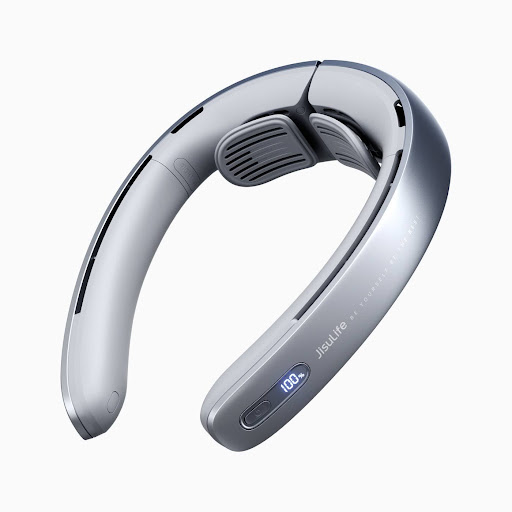
Neck fans are wearable personal cooling devices that drape around your neck, using dual fan heads positioned near the collarbone to direct airflow upward toward your face and neck. Unlike traditional handheld fans, they operate completely hands-free, leaving you free to scroll through your phone, read, or navigate a busy terminal without interruption. Early portable fans were little more than battery-powered novelties, but advances in brushless motor technology and lightweight materials have transformed them into genuinely practical travel tools that rival the comfort of air conditioning in personal cooling effectiveness.
Understanding Neck Fan Technology
Modern neck fans work by drawing air through intake vents and expelling it through angled nozzles positioned to target the pulse points on your neck — areas where blood vessels run close to the skin. Cooling these spots produces a rapid full-body temperature drop, making the airflow feel far more effective than its modest wattage suggests. Many models now incorporate bladeless designs inspired by industrial airflow engineering, which not only improves safety around hair and clothing but also dramatically reduces operating noise.
Benefits for Modern Travelers
For travelers, the advantages stack up quickly. Heat stress isn’t just uncomfortable — it accelerates fatigue, reduces concentration, and can turn an otherwise enjoyable trip into an exhausting ordeal. A neck fan addresses this directly, delivering consistent personal cooling through long layovers, outdoor sightseeing, and crowded transit without requiring access to air conditioning. Because they’re battery-powered and compact enough to slip into a carry-on pocket, they eliminate dependence on unpredictable venue cooling. The result is a traveler who arrives at each destination feeling refreshed rather than drained.
Essential Features of the Best Neck Cooling Fan
Choosing the right neck fan for travel comes down to more than just picking the cheapest option on the shelf. Travelers face specific demands — unpredictable environments, limited luggage space, shared quiet zones — that require a device built with those realities in mind. Understanding which features genuinely matter helps you invest in something that will perform when you need it most, rather than disappoint mid-journey.
Portability and Lightweight Design
A neck fan that adds noticeable bulk or weight defeats its own purpose. The best models weigh under 150 grams and feature a flexible, foldable frame that collapses flat for packing. Look for a U-shaped design with soft, adjustable arms that conform comfortably to different neck sizes without pinching during extended wear. If it doesn’t fit easily into a jacket pocket or the outer pouch of your carry-on, it’s too cumbersome for serious travel use.
Quiet Operation and Noise Levels
Noise is the feature travelers most commonly overlook until they’re sitting in a hushed museum or a quiet train car with an embarrassingly loud fan humming around their neck. Quality neck fans using brushless motors typically operate between 25 and 40 decibels — roughly the volume of a whisper. When evaluating a model, check manufacturer specifications for decibel ratings at each speed setting, since fans that are quiet on low may become intrusive at maximum power. For shared spaces, anything under 35 dB on its mid-range setting is the target threshold.
Battery Life and Charging Options
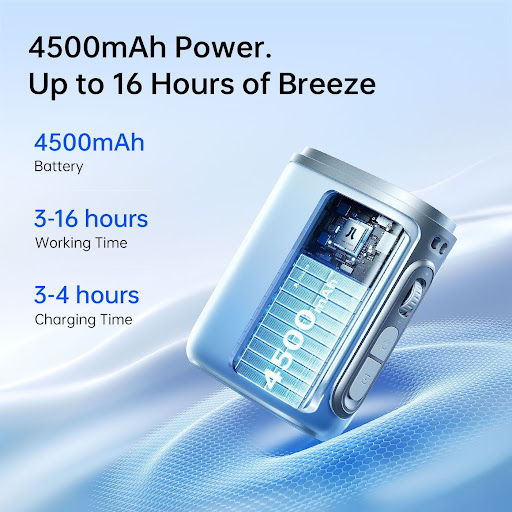
A neck fan that dies after three hours is a liability on a long-haul travel day. Prioritize models with at least 8 to 10 hours of runtime on their lower settings, backed by a built-in rechargeable battery that charges via USB-C — a cable you’re almost certainly already carrying. Brands like JisuLife have made battery endurance a defining focus of their neck fan lineup, with some models supporting pass-through charging that lets you top up the fan while it runs from a power bank, which is invaluable during extended layovers.
Cooling Power and Adjustable Settings
Effective cooling requires more than raw airflow — it requires control. A fan with three or more speed settings lets you dial down to a near-silent breeze in quiet environments and ramp up during intense outdoor heat. Ergonomically angled nozzles that direct air precisely toward the neck’s pulse points maximize the cooling effect without requiring high fan speeds, keeping both noise and battery drain in check.
Top Picks: Best Neck Fans for Quiet and Portable Use
With so many neck fans flooding the market, separating genuinely travel-worthy models from gimmicky gadgets takes some digging. The three picks below represent distinct strengths — ultra-quiet operation, exceptional battery endurance, and versatile cooling — giving you a clear starting point based on what matters most to your travel style.
Torras Coolify 2S – Best for Ultra-Quiet Design
The Torras Coolify 2S has earned a strong reputation among frequent travelers specifically because of how little attention it draws. Its semiconductor-assisted cooling combines gentle airflow with direct contact cooling pads that rest against the neck, meaning the fan motors don’t need to work at high speeds to deliver real relief. The result is an operating noise level that stays comfortably below 30 dB even in mid-range settings — genuinely undetectable in most quiet environments. The rigid frame is sturdier than average, though it folds flat for packing. The tradeoff is a slightly heavier build compared to purely airflow-based models, but for travelers who prioritize silence in museums, libraries, and long-haul flights, that’s a worthwhile exchange.
Jisulife FA53 – Best for Long Battery Life
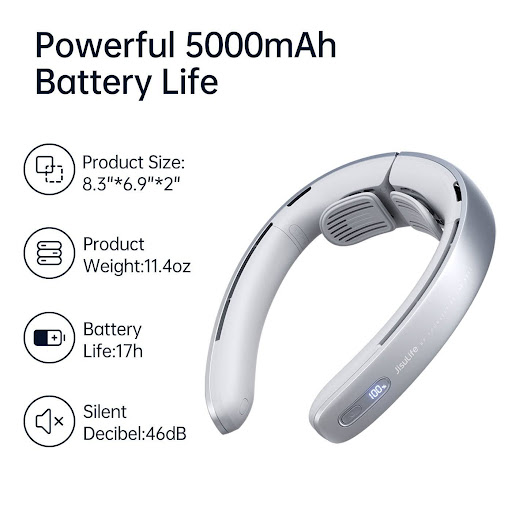
Few neck fans match the Jisulife FA53 when it comes to endurance. Its high-capacity battery delivers up to 24 hours of runtime on the lowest setting, with a respectable 8 hours even at mid-speed — numbers that cover most full travel days without a recharge. USB-C charging means it shares a cable with your phone and laptop, and the fan supports pass-through operation while plugged into a power bank. The flexible silicone frame adjusts easily to different neck sizes, and the lightweight construction keeps fatigue minimal during extended wear. Noise levels are moderate rather than whisper-quiet, so it’s better suited for airports and outdoor sightseeing than silent indoor spaces.
Benks F01 Pro – Best for Versatile Cooling
The Benks F01 Pro stands out for its adaptable airflow system, featuring independently adjustable fan heads that rotate to direct airflow precisely where you need it — whether that’s straight up toward your face during a hot outdoor tour or angled sideways for subtler circulation in a crowded cabin. Four speed settings provide genuine range, from a near-silent low suitable for reading rooms to a powerful high that handles direct sun exposure. The foldable frame collapses into a compact disc shape that fits easily into a jacket pocket, making it one of the most packable options in this category. Battery life sits comfortably in the mid-range at around 10 hours on moderate settings, striking a practical balance between performance and portability for travelers who face varied environments throughout the day.
Practical Guide to Using Neck Fans for Optimal Cooling and Quietness
Owning a quality neck fan is only half the equation — knowing how to use it strategically across different travel environments is what transforms it from a nice gadget into a genuine comfort tool. These practical steps and tips will help you get consistent, discreet cooling throughout your journey.
Step-by-Step Solution for Portable Cooling on the Go
Start by matching your fan choice to your primary travel environment. If your itinerary is heavy on museums, trains, and indoor venues, prioritize a model with sub-30 dB operation. For outdoor-heavy trips with long walking tours or open-air markets, prioritize airflow strength and battery endurance instead. Once you’ve selected the right model, pack it in an easily accessible outer pocket of your carry-on rather than buried in your main luggage — you’ll want it within reach the moment you step off a plane into humid heat. Before departure, charge it fully and confirm it has enough runtime to cover your longest expected stretch without access to a power source. During travel, switch it on proactively before you feel overheated; cooling your neck’s pulse points works best as a preventive measure rather than a recovery tool after you’re already flushed and fatigued.
Tips for Maintaining Discreet and Quiet Operation
In shared quiet spaces like libraries, galleries, or overnight trains, drop to the lowest speed setting before entering. The airflow reduction is modest, but the noise reduction is significant. Position the fan so the nozzles angle slightly inward toward your collarbone rather than fully upward — this keeps airflow effective while diffusing the sound away from nearby passengers. Avoid wearing the fan with loose scarves or open collars that can flutter audibly in the airflow, which draws more attention than the fan itself. If someone nearby seems bothered, switching to a lower setting is always the considerate move.
Care and Maintenance for Longevity
Dust and lint accumulate in intake vents quickly, especially in transit environments. Every few days of heavy use, use a soft brush or a short burst from a can of compressed air to clear the vents — clogged intakes force the motor to work harder, increasing both noise and battery drain. Wipe the neck-contact surfaces with a damp cloth after use to prevent buildup from sweat and sunscreen. Store the fan folded flat in a small pouch to protect the frame from bending stress during packing.
Choosing the Right Neck Fan for Comfortable, Quiet Travel
Heat discomfort is an underrated travel obstacle, but it’s one that’s entirely solvable with the right gear. Neck fans have matured from novelty gadgets into genuinely practical accessories that address two of the most persistent challenges travelers face: staying cool in unpredictable environments and doing so without disturbing the people around them.
When choosing the best neck cooling fan for your travels, the features that matter most are quiet brushless motors for shared spaces, sufficient battery life to outlast your longest travel day, lightweight foldable construction that fits without fuss into your carry-on, and adjustable airflow that adapts to everything from a sun-drenched walking tour to a hushed overnight train. Models like the Torras Coolify 2S, Jisulife FA53, and Benks F01 Pro each deliver on these priorities in different ways, giving you a strong starting point based on your specific travel patterns.
The right choice ultimately depends on where you travel and how you travel. Prioritize silence for cultural and indoor-heavy itineraries, endurance for long-haul days, and versatility if your trips mix both. Whichever model you choose, using it proactively — before heat builds up rather than after — will give you the best results. With a quality neck fan in your carry-on, you’ll arrive at every destination feeling refreshed and ready to enjoy the journey.