

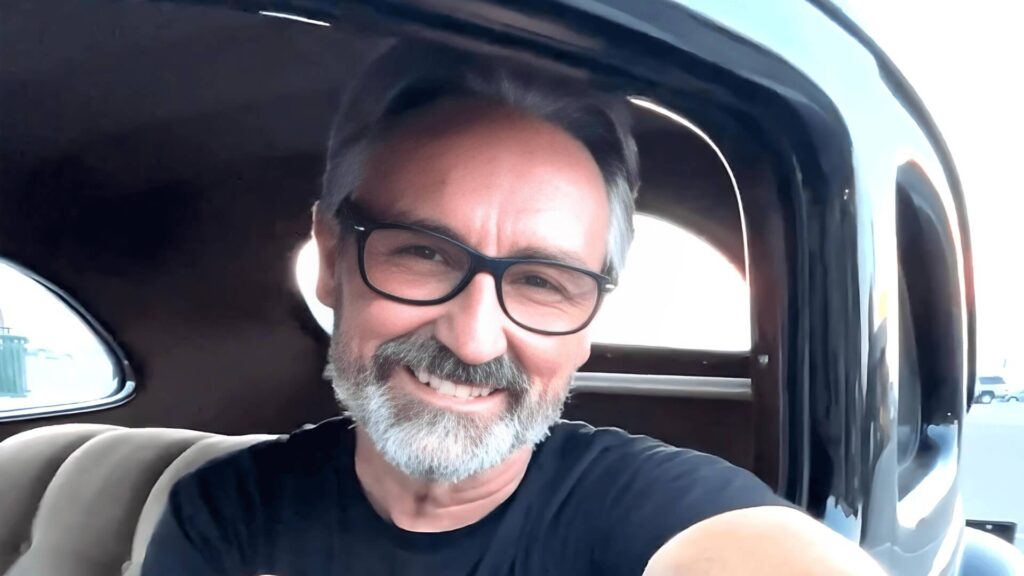
People hear Mike Wolfe and think antiques. Rusty signs. Old bikes. American Pickers. Fair. That’s the public version. The quieter truth sits elsewhere. The Mike Wolfe passion project has very little to do with chasing objects and everything to do with saving places that still remember who they were.
This isn’t a TV gimmick. It’s a long-term commitment to historic preservation, small-town revitalization, and storytelling that doesn’t fit neatly into a 60-minute episode. It’s slower. Harder. Way less glamorous.
And that’s exactly why it matters.
What Is the Mike Wolfe Passion Project?
At its core, the Mike Wolfe passion project is about restoring historic buildings and keeping their stories intact. Wolfe moved beyond collecting Americana to protecting the spaces where that Americana lived. Old gas stations. Brick storefronts. Forgotten buildings that once mattered to a town and still could.
When people search what is Mike Wolfe’s passion project, they’re usually expecting a brand or a show. They get something else. A preservation effort driven by curiosity, patience, and respect for local history. No shortcuts. No shiny overhauls that erase the past.
Just preservation done the hard way.
Why Wolfe Shifted Focus Beyond American Pickers
Spending decades on the road changes your perspective. Wolfe saw towns hollow out. Main streets fade. Buildings locked up and left to rot. Collecting objects started to feel incomplete.
Objects tell stories. Places hold them.
That shift—from items to environments—marks the real turning point in Mike Wolfe’s journey. American Pickers gave him access. His passion project gave him purpose beyond television.
The Philosophy Driving His Preservation Work
Wolfe doesn’t restore buildings to look new. That’s not the point. He preserves them to look honest.
Paint stays imperfect. Brick shows age. Layouts respect original intent. His preservation philosophy leans toward restraint. Save what can be saved. Don’t polish the soul out of it.
It’s preservation with memory intact.
Notable Restoration Projects and Locations
This work isn’t theoretical. It’s physical. Messy. Expensive.
Columbia, Tennessee stands out. Wolfe’s projects there—especially the Revival gas station—became symbols of what thoughtful restoration can do. Not museums. Functional spaces woven back into daily life.
He’s also invested time and energy in LeClaire, Iowa, another place close to his roots. These aren’t random picks. They’re towns with history still visible if someone bothers to look.
That someone, in this case, is Wolfe.
How These Projects Affect Small Communities
Historic preservation isn’t just about buildings. It’s about momentum.
Restored spaces bring foot traffic. Foot traffic supports local businesses. Pride creeps back in. Slowly. Then all at once. That’s small town revitalization without flashy slogans.
The community impact shows up in conversations, not press releases. Locals notice when someone chooses to invest instead of extract. Wolfe’s projects don’t parachute in and leave. They stay.
The Financial and Regulatory Reality No One Talks About
Restoration costs real money. Permits complicate timelines. Historic regulations can stall progress for months. Sometimes longer.
This is the part most articles skip.
The cost of historic restoration isn’t just financial. It’s emotional. Projects stall. Budgets stretch. Some ideas don’t survive contact with reality. Wolfe accepts that. It’s baked into the work.
Preservation isn’t efficient. Anyone telling you otherwise is lying.
Misconceptions About the Passion Project
A few myths refuse to die.
“It’s just antiques with better lighting.”
Wrong. Objects are incidental here.
“TV money makes it easy.”
Also wrong. Visibility doesn’t bypass zoning boards.
It’s a hobby.
No. Hobbies don’t involve years of commitment and regulatory headaches.
The Mike Wolfe passion project operates at a scale that demands seriousness. Anything less wouldn’t survive.
Criticism and Pushback Along the Way
Not everyone loves preservation. Some locals worry about change. Others fear gentrification. A few just don’t trust outsiders, even famous ones.
Wolfe’s projects face resistance. That’s normal. Historic preservation always does. Balancing modernization with respect for local culture isn’t clean or comfortable.
Ignoring that tension would be dishonest. Wolfe doesn’t. He navigates it.
Why This Work Matters Right Now
Small towns across America are struggling. Big-box development erased character. Online retail hollowed out main streets. Something had to push back.
Wolfe’s preservation work does that quietly. It says places still matter. Stories still matter. Buildings deserve more than demolition notices.
This isn’t nostalgia for nostalgia’s sake. It’s cultural survival.
The Long-Term Legacy of the Mike Wolfe Passion Project
Legacy isn’t about plaques. It’s about influence.
Wolfe’s approach inspires others to think differently about preservation. Younger developers. Community leaders. People who once saw old buildings as liabilities now see potential.
That ripple effect might outlast any single project.
Frequently Asked Questions
Is the Mike Wolfe passion project nonprofit?
No. It’s privately driven, with community-focused outcomes.
Can people visit these restored locations?
Many of them, yes. They’re meant to be lived in, not stared at.
Will this continue after American Pickers?
Everything suggests it will. This work isn’t tied to a TV schedule.
Conclusion
The Mike Wolfe passion project isn’t about fame or branding. It’s about stewardship. About stepping in when places are one inspection away from disappearing and saying, “This still matters.”
Wolfe doesn’t chase attention with this work. He accepts inconvenience. Cost. Delays. Criticism. That’s how you know it’s real.
Preserving history isn’t glamorous. It’s necessary. And someone has to do it the long way.
Mike Wolfe chose to.