

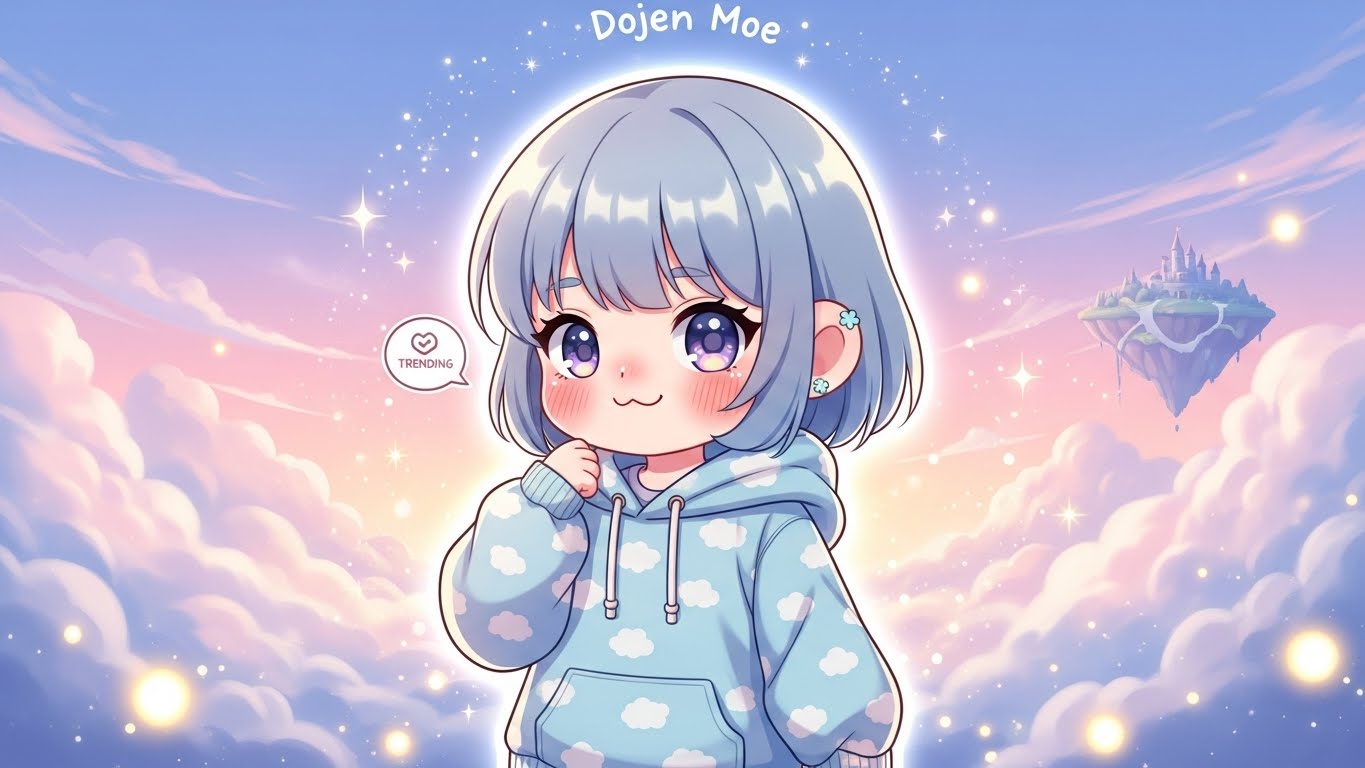
Every few years, digital art culture gets louder. Brighter. More polished. Then something quieter slips through the noise and sticks around longer than expected. Dojen Moe is one of those things.
You won’t find strict rules. No official manifesto. Just a growing number of artists and fans gravitating toward work that feels personal instead of performative. That’s the thread connecting it all.
So, What Exactly Is Dojen Moe?
At a basic level, Dojen Moe describes a digital art aesthetic shaped by emotion-driven storytelling and fan-created culture. It pulls from doujin traditions—independent, self-published creative work—and blends them with moe, the emotional attachment people feel toward characters.
The result isn’t flashy anime art or market-ready illustration. It’s softer. Slower. Sometimes awkward. On purpose.
You might also see the term written as Ydojen-Moe. Same meaning. Different spelling. Online culture isn’t precious about consistency.
Why the Term Feels Vague (And Why That’s Normal)
People keep asking for a clean definition. They won’t get one.
Dojen Moe grew organically inside online art communities, not classrooms or studios. Language evolved through posts, comments, shared artwork, and casual conversation. That’s how aesthetics born from fandom behave. They spread first. Get named later.
Clarity comes from patterns, not rules.
The Emotional Center of Dojen Moe
This aesthetic lives and dies on feeling.
This art leans into emotional honesty—nostalgia, vulnerability, quiet affection, loneliness, comfort. The scenes don’t scream for attention. They sit there and wait. Viewers bring their own context.
That restraint matters. Emotional storytelling hits harder when it isn’t spelled out.
Visual Signals You’ll Notice Right Away
While Dojen Moe isn’t formulaic, certain visual habits show up again and again:
-
muted or pastel-heavy color palettes
-
simplified character designs
-
expressive eyes and subtle facial cues
-
minimal backgrounds
-
calm, uncluttered compositions
The art avoids spectacle. No dramatic lighting tricks. No visual noise. Every choice feels intentional, even when it looks rough around the edges.
Dojen Moe vs Other Familiar Aesthetics
Confusion happens because Dojen Moe sits close to other styles without fully overlapping.
-
Compared to Moe: Moe focuses on affection toward characters. That builds a mood around that feeling.
-
Compared to Kawaii: Kawaii emphasizes cuteness. Dojen Moe prioritizes emotional connection.
-
Compared to mainstream anime art: Anime art often chases action or clarity. This slows everything down.
Think less performance. More presence.
Where Dojen Moe Shows Up Online
You’ll find Dojen Moe thriving where fan culture already lives:
-
digital art communities
-
self-publishing platforms
-
small forums and creator circles
-
comment-driven spaces where interaction matters
These aren’t algorithm-first environments. They’re conversation-first. That matters. Dojen Moe survives through shared emotional language, not viral reach.
Why Artists Keep Coming Back to This Style
Ask artists why they lean into Dojen Moe and the answers sound similar, even when phrased differently.
It feels honest.
art=”3873″ data-end=”3876″ />>It allows imperfection.
Technical mastery isn’t the entry ticket. Emotional clarity is. That’s refreshing in a digital space obsessed with polish and speed.
Is Dojen Moe Just a Trend?
Trends burn fast. Dojen Moe hasn’t.
It behaves more like a quiet undercurrent than a wave. People discover it independently, then realize others are already working in the same emotional space. That shared recognition keeps it alive.
No hype cycle. No crash. Just steady presence.
Who Connects With Dojen Moe (And Who Doesn’t)
Dojen Moe resonates most with:
-
independent digital artists
-
anime and manga fans
-
people drawn to subtle emotional storytelling
It doesn’t always land with audiences looking for spectacle, technical flexing, or commercial polish. That’s fine. Not everything needs to scale.
Misconceptions That Won’t Go Away
“It’s just cute art.”
No. Cuteness may show up, but it isn’t the goal.
“It’s the same as doujinshi.”
Doujinshi describes how work is published. This describes how it feels.
“It’s overly sentimental.”
Sometimes. That’s the appeal.
Creating Dojen Moe: Less Technique, More Intent
People ask how to make Dojen Moe art. That question misses the point.
Start with emotional intent.
Strip away unnecessary detail.
Let scenes breathe.
Tools matter less than awareness. Mood comes first. Everything else supports it.
The Role of Community in Shaping the Aesthetic
It isn’t shaped by top-down influence. It evolves through feedback loops—artists sharing work, viewers responding emotionally, creators adjusting tone based on that response.
It’s collaborative without being coordinated. That’s rare. And powerful.
Where Dojen Moe Might Be Headed
Dojen Moe doesn’t need a future roadmap. It’ll adapt quietly as platforms change. As digital spaces grow louder, aesthetics centered on calm and emotional depth gain value.
Expect variation. Expect evolution. Don’t expect it to disappear.
Common Questions People Ask
Is Dojen Moe an official art movement?
No official body. Still real.
Is it limited to anime-style art?
Anime influences it, but the emotional language travels across mediums.
Can beginners work in this style?
Yes. Emotional awareness matters more than technical skill.
Why is interest growing now?
People are tired of noise.
Final Thoughts
Dojen Moe isn’t chasing attention. It doesn’t need to. It exists because people want digital art that feels human again—quiet, imperfect, emotionally grounded.
Whether you call it Dojen-Moe or Ydojen Moe, the core stays the same. Emotion first. Everything else negotiable.
And honestly? That’s probably why it lasts.